Exploring Nature through Citizen Science
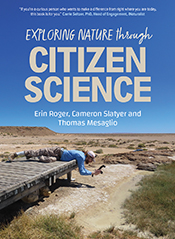
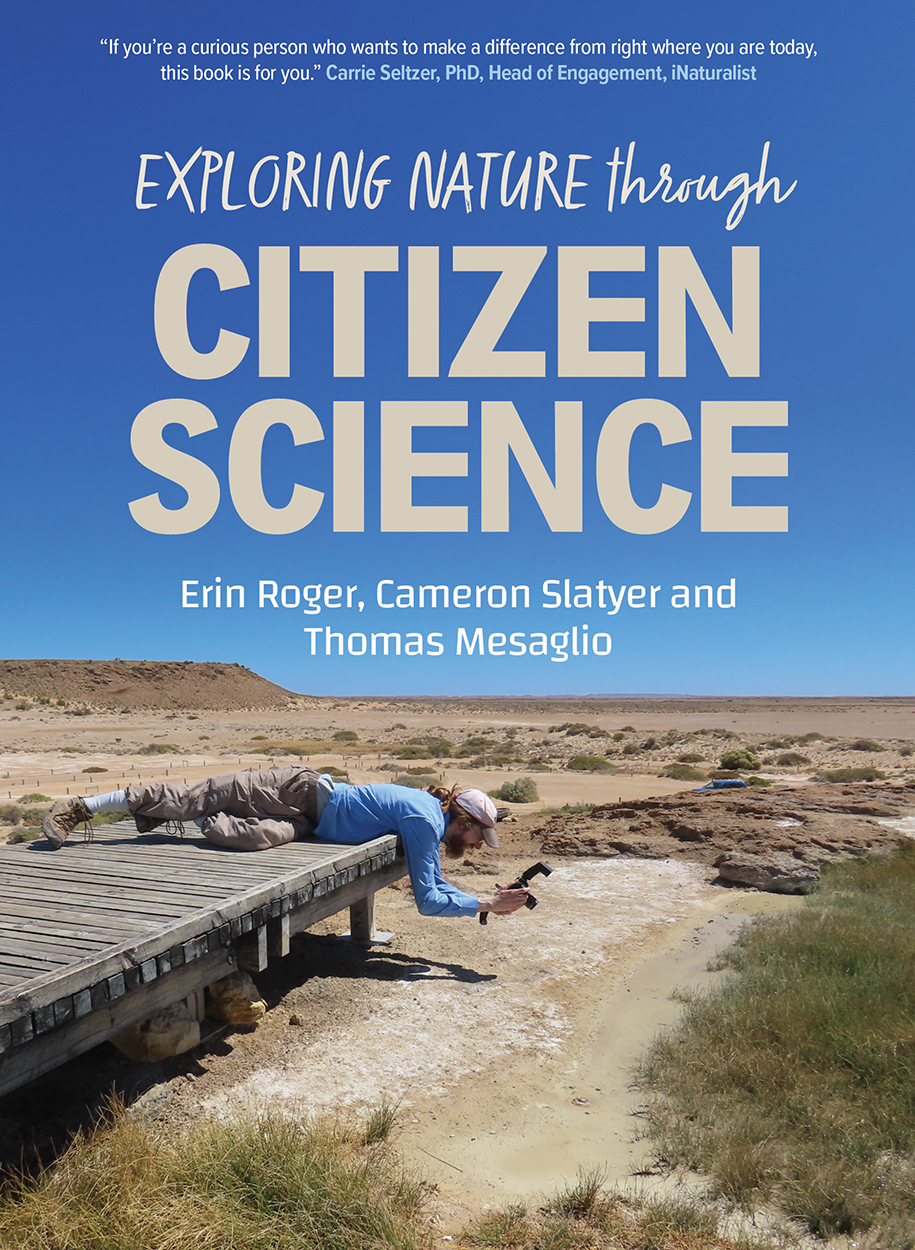
By: Erin Roger, Cameron Slatyer, Thomas Mesaglio


A must-have guide for anyone interested in getting involved in citizen science in Australia.
Citizen science is involving the public in collecting and analysing scientific data and discovering new scientific knowledge. Approachable and inclusive, it is an excellent option for people looking for ways to get involved and make a difference, and there has never been a better time than now. + Full description
Exploring Nature through Citizen Science introduces citizen science and showcases its benefits, with a focus on Australia, including urban environments. The book explores the various types of projects available, explaining how the data is used to create real-world impact and offering practical guidance on what photographs to take and which data to record for different groups of organisms. Example projects from across Australia range from activities you can do in your home to active data collection in more remote areas, making it easier than ever for people to get involved in citizen science.
With its friendly, accessible approach and many photographs, this book serves as a must-have guide for anyone looking to understand how best to get involved in citizen science in Australia.
"The Australian Citizen Science Association (ACSA) is proud to endorse this comprehensive book on citizen science. Whether you're new to citizen science, a seasoned practitioner, or simply curious about the power of community involvement in scientific discovery, this book offers something for everyone."
– Annie Lane, Former Chair, Australian Citizen Science Association (2022–2025)
"If you're a curious person who wants to make a difference from right where you are today, this book is for you."
– Carrie Seltzer, PhD, Head of Engagement, iNaturalist.
News
Available as Print-on-Demand. Learn more.
Reviews
”The book highlights how everyday people have always played a vital role in advancing knowledge. It explores best practices and the ethics that underpin respectful and impactful citizen science. We particularly welcome the inclusion of a chapter dedicated to urban environments, showcasing the important and often overlooked contributions citizen science can make to cities and communities. The book demonstrates the diversity, creativity, and real-world impact of citizen science across Australia and beyond.
ACSA recommends this book as an excellent resource for anyone interested in citizen science, whether you’re just getting started or looking to deepen your understanding and practice.”
Annie Lane, Former Chair, Australian Citizen Science Association (2022-2025)
”Citizen science has taken traditional science by storm in the last decade. The general public is now contributing a vast amount of information to our scientific knowledge because citizen scientists are collecting data more frequently and from more places than professional scientists can ever hope to get to. New species and revealing insights are coming thick and fast from this tremendous contribution from an increasingly engaged and enthusiastic citizen science community and this book provides a focus for that engaged enthusiasm.”
Professor Richard Kingsford, Director of the Centre for Ecosystem Science, University of New South Wales
"Most ably led by Erin Roger and her colleagues it was a revelation for me, years back (and many years too late!), to discover the power and enchantment of Citizen Science - well captured in this book. Read and enjoy!"
Dr Geoff Garrett AO FTSE, Formerly Chief Executive, CSIRO (2001-2008) and Queensland Chief Scientist (2011-2016)
Details
Paperback | June 2026 | $ 39.99ISBN: 9781486319763 | 144 pages | 205 x 150 mm
Publisher: CSIRO Publishing
Colour photographs, Illustrations
ePDF | June 2026
ISBN: 9781486319770
Publisher: CSIRO Publishing
Available from eRetailers
ePUB | June 2026
ISBN: 9781486319787
Publisher: CSIRO Publishing
Available from eRetailers
Features
- Outlines a brief history of citizen science, its benefits and impact.
- Features beautiful colour photographs of plants, animals and people.
- Includes a list of citizen science projects readers can participate in, plus fascinating case studies featuring citizen scientists and their discoveries.
- Assists readers undertaking citizen science, providing guidance on what photographs to take depending on the species being recorded and the environment it is in.
Contents
ForewordAbout the authors
List of contributors
Acknowledgements
How to use this book
1 Introduction
2 Impact of citizen science in Australia
3 Citizen science in urban spaces
4 Examples of citizen science projects that are achieving great results
5 Best practice – participating safely and making an impact
6 Observing biodiversity – where, when, what and how
7 The future of citizen science – tips to help citizen scientists contribute and new technologies
References
Appendix
Index
Authors
Erin Roger has a PhD in Ecology and qualifications in Strategic Communication. She has been working and publishing in the area of citizen science for over a decade and is an advocate for greater inclusion of the public in science.
Cameron Slatyer has worked in many government roles and has a long-term interest in species conservation, science research and the importance of improving our understanding of biodiversity in Australia using real data.
Thomas Mesaglio has a PhD in Biodiversity Informatics and is an avid naturalist with a particular passion for plants and seashells. He enjoys organising and participating in bioblitzes, and much of his current research focuses on integrating citizen science records with data from herbaria and museums.
Related titles